Brown Family Orthodontics Explains Retainers: What You Need to Know
How Retainers Help Keep Your Smile Straight and Healthy After Treatment.


Table of Contents

Introduction

What Are Retainers and Why Do They Matter?

What Happens After Braces or Aligners?

Types of Retainers: Which Is Right for You?

How to Care for Your Retainer

Common Questions About Retainers 

Why Choose Brown Family Orthodontics for Your Retention Needs 

The Retainer is the Finish Line—Not the End

Frequently Asked Questions

Introduction

You've finished your braces or aligners—great news! But there's still one final step to ensure that dazzling smile sticks around: wearing your retainer. At Brown Family Orthodontics, led by Dr. Ed Brown III and Dr. Jessica Ulmer, retainers are not just an afterthought—they're the foundation of your long-term smile success. With seven locations across Mississippi and Louisiana and over 50 years of family-owned orthodontic expertise, our team ensures your smile remains as perfect as the day your braces came off.

What Are Retainers and Why Do They Matter?

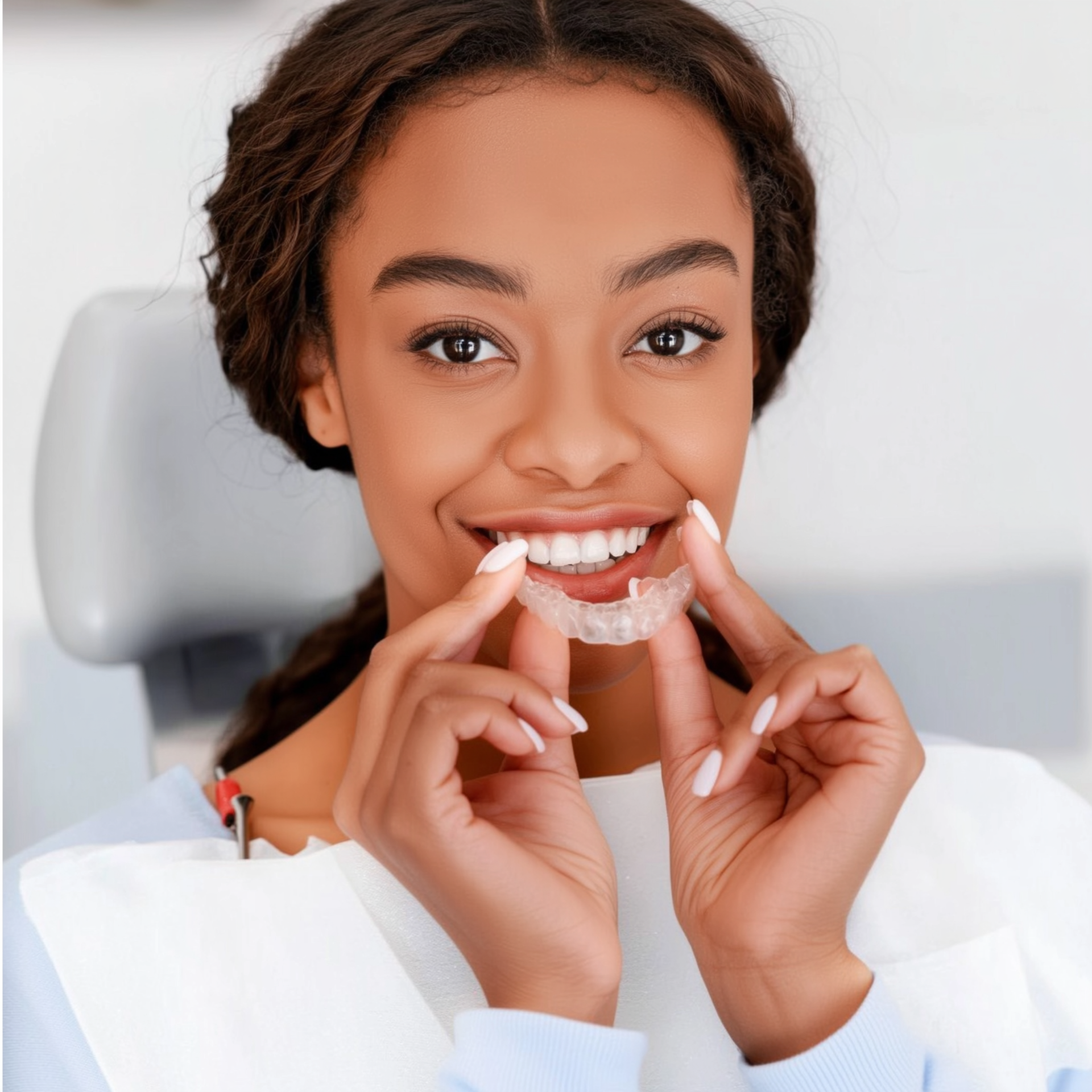
Retainers are custom-made dental devices that hold your teeth in place after orthodontic treatment. After braces or clear aligners like Invisalign® or Spark Aligners, your teeth are still settling into their new position. Without a retainer, they may drift back to where they started—undoing all that progress.

The experts at Brown Family Orthodontics emphasize retention because the forces inside your mouth—like chewing, speaking, and natural shifting—are always at work. Your smile may look perfect now, but those teeth might not stay that way for long without a retainer. Dr. Ed and Dr. Jess educate patients on how a retainer is like the "glue" that holds their results together.

What Happens After Braces or Aligners?

Once your active treatment ends, your teeth aren't locked in place. The gums and bones supporting them need time to stabilize. This is where retainers shine. They act as silent guardians, preventing relapse and aligning your bite.

Most patients wear their retainers full-time for the first 3–6 months post-treatment. After that, nighttime wear is typically enough. Dr. Ed and Dr. Jess create tailored plans so patients know exactly how long and when to wear their retainers. It's all about protecting your investment—and your confidence.


Types of Retainers: Which Is Right for You?

Fixed Retainers

These are thin wires bonded behind your teeth, often on the lower front teeth. They're invisible, convenient, and perfect for people who might forget to wear a removable one. Since they stay in place, they provide continuous support. The trade-off? You'll need to floss carefully around them and check for damage periodically.

Clear Removable Retainers

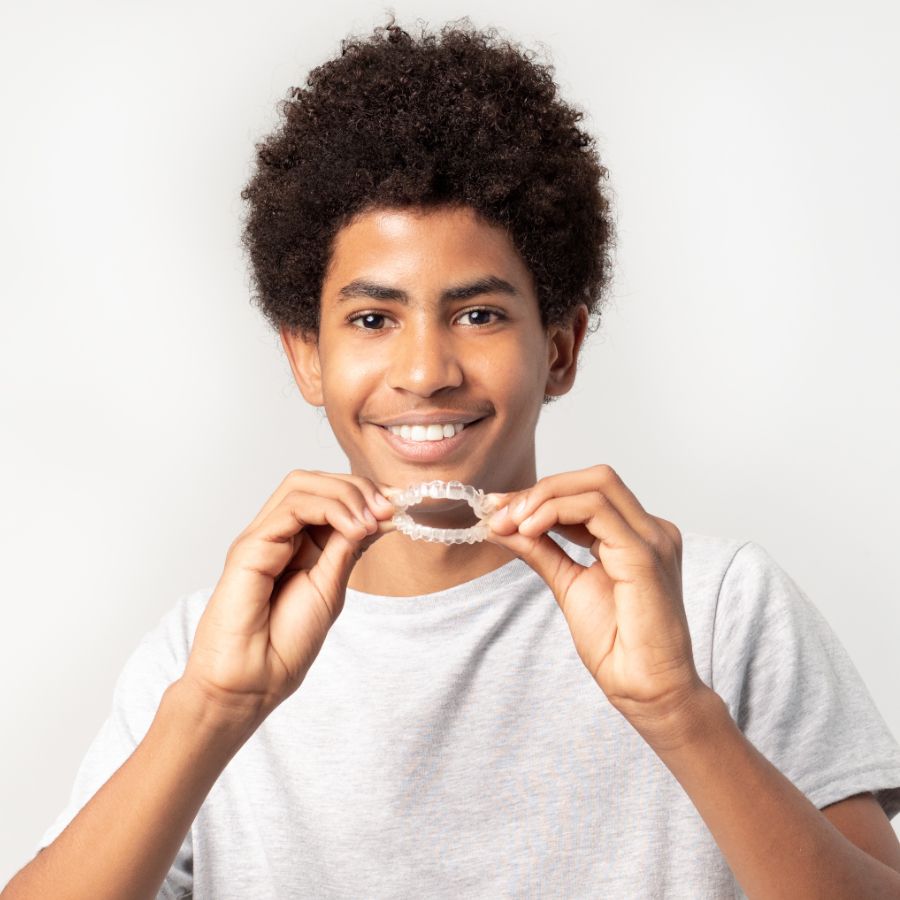
Clear retainers, like Essix-style trays, are made of clear plastic molded to your teeth. They're discreet, easy to remove for eating and cleaning, and comfortable for most patients. They work well if you're disciplined and committed to wearing them consistently.

Which One Is Best?

There's no universal answer. Dr. Jess and Dr. Ed guide patients through the pros and cons and provide recommendations based on lifestyle, age, and treatment history. Whether it's a fixed wire's security or a clear tray's flexibility, they help you make the right choice.

How to Care for Your Retainer

Daily Cleaning

Rinse your retainer with lukewarm water after removal. Use a soft-bristled toothbrush and mild soap or retainer cleaner daily. Avoid hot water—it can warp plastic retainers. Clean fixed retainers with floss threaders or water flossers to reach around the bonded wire.

What Not to Do

Don't eat with your retainer in. Food and drinks can stain, damage, or trap debris against your teeth. Never use boiling water, mouthwash, or harsh chemicals to clean it. Also, never wrap your retainer in a napkin—it's the fastest way to lose it.

When to Replace It

Retainers wear out. Cracks, warping, or looseness are signs you need a new one. Don't wait—shifting can happen fast. Brown Family Orthodontics makes replacement simple and quick so your smile stays stable.

Common Questions About Retainers

How Long Do I Need to Wear My Retainer?

This is one of the most common questions patients ask. The answer? It depends—but also likely for life. Let's break it down.

Initially, most patients are instructed to wear their removable retainers full-time—usually around 22 hours a day—for at least 3 to 6 months after finishing braces or aligner treatment. After that, if everything looks stable, you'll likely switch to nighttime-only wear.

But here's the truth: your teeth are always shifting, even as an adult. That's why Dr. Ed and Dr. Jess recommend lifetime retainer wear. Think of it like wearing glasses—once your smile has been corrected, the retainer keeps everything focused.

It might sound like a big commitment, but wearing your retainer while you sleep is a small price for a perfect smile.

Can I Eat or Drink With My Retainer In?

The quick answer? No—and here's why.


Removable retainers are not designed for eating or drinking. Food can easily get trapped between the retainer and your teeth, causing decay or bad breath. Plus, chewing puts pressure on the plastic, which can cause it to crack or warp.

Drinks like soda, coffee, or fruit juices can stain clear retainers and introduce sugar or acid that leads to decay. Water is the only safe thing to drink while wearing your retainer.

With fixed retainers, you'll need to be cautious too. Avoid biting into hard or sticky foods that could damage the wire or pull it off. Dr. Ed and Dr. Jess can give you a detailed list of foods to avoid and show you how to floss properly with a fixed wire.

What If I Lose or Break My Retainer?

It happens more often than you think. Retainers get left at restaurants, wrapped in napkins, stepped on by pets—you name it. The key is not to wait. If your retainer breaks or disappears, your teeth can start shifting quickly. Call Brown Family Orthodontics immediately. We’ll schedule you for a replacement as soon as possible.We also recommend always keeping your retainer in its case when not in use.

Pro tip from Dr. Jess: keep a spare retainer if you can. That way, you're never without one—even if life throws a curveball. Brown Family Orthodontics makes the replacement process easy and fast, ensuring your smile stays right where it should.

Why Choose Brown Family Orthodontics for Your Retention Needs

Trusted, Family-Owned Expertise Across Mississippi and Louisiana

For over 50 years, Brown Family Orthodontics has delivered generations of smiles with heart and precision. What started as a family-run practice has grown into a trusted network with seven convenient locations across Chalmette, Mandeville, Metairie, Marrero, Madisonville, Ocean Springs, and Pascagoula.

Our mission is to treat every patient like family, providing expert care with a personal touch. Whether coming in for your first retainer or replacing an old one, you're in great hands.


Our 5-star Google rating with 150+ glowing reviews says it all—patients love the care, the results, and the friendly atmosphere. We love our patients and are so grateful for their trust in us.

The Personalized Care of Dr. Ed and Dr. Jess

Dr. Ed Brown III and Dr. Jessica Ulmer (Dr. Jess) are more than orthodontists—they're passionate about helping people live more confidently through better smiles. Their approach to retention is holistic and deeply personalized. They take the time to understand your lifestyle, concerns, and goals. Then, they guide you toward the right retainer choice and help you care for it properly. Their goal isn't just to straighten your teeth—it's to keep them that way forever.

Seven Convenient Locations and 5-Star Reviews

With locations in Mississippi and Louisiana, Brown Family Orthodontics makes top-tier orthodontic care accessible to thousands of families. Whether in Chalmette or Ocean Springs, you can count on the same warm welcome, professional care, and exceptional results. Our consistent 5-star Google reviews speak volumes about the quality of our services and the loyalty of our patients. We go above and beyond, from braces and aligners to retainers and follow-up care. We are here for you!

Convenient Locations and Flexible Scheduling

With seven clinics across Mississippi and Louisiana and contact numbers for each location, it's easy to find a Brown Family Ortho office near you:


The Retainer is the Finish Line—Not the End

Retention isn't a footnote—it's the grand finale. After months or years of orthodontic care, your retainer ensures that work stays intact. It's a simple tool with powerful results, and at Brown Family Orthodontics, it's treated with the importance it deserves. With personalized plans, expert fitting, and long-term support, your smile is in good hands.

Frequently Asked Questions 

Can a retainer fix minor tooth movement?

Sometimes, yes—but only in very minor cases. You may need to resume orthodontic treatment if your teeth have shifted significantly. Let Dr. Jess or Dr. Ed evaluate you.


How often should I clean my retainer?

Daily! Rinse it after every use, and give it a deeper clean once a day using soap and a soft brush.


Do retainers hurt?

They might feel snug at first, but they shouldn't hurt. If there's pain or soreness, it's time for a check-up.


Can I get a new retainer if mine is lost?

Absolutely. Brown Family Orthodontics makes replacements quick and easy. Just call your local office.


Are fixed retainers permanent?

They can last years with proper care but may need replacement if damaged or worn down.

Ready For Your Beautiful, Confident Smile?

Your first appointment is on us!

Smiling blonde woman in green shirt sitting outdoors at a cafe
September 1, 2026
Learn how many hours a day you should wear clear aligners and why consistent wear is essential for keeping treatment on track at Brown Family Orthodontics.
Smiling student in a yellow polo with backpack standing outside a school building
July 31, 2026
Discover what students should pack for school with braces or aligners, including everyday essentials for comfort, oral hygiene, and keeping treatment on track.
Smiling child holding a red popsicle outdoors, with a leafy green background
June 25, 2026
Learn whether your favorite summer foods and drinks can stain your teeth, plus tips from Brown Family Orthodontics to keep your smile bright.
Person holding clear dental aligner and smiling in a bright clinic
May 21, 2026
Learn how long braces or aligners may take at Brown Family Orthodontics and what factors can affect your treatment timeline.
A smiling person with long dark curly hair, wearing large hoop earrings and a denim jacket over an orange top.
March 17, 2026
Compare ceramic vs. traditional braces at Brown Family Orthodontics and discover which option best fits your smile goals, lifestyle, and comfort.
Two men smiling, standing near a shelf with towels. One man wears a white shirt, the other a gray shirt.
February 12, 2026
Understanding The Specialized Care Behind Braces, Aligners, And Healthy Smiles Table of Contents Introduction Meet The Doctors Dentist Vs Orthodontist: The Simple Explanation Why Orthodontists Are Specialists In Tooth Alignment And Jaw Correction What Dentists And Orthodontists Each Do Best Can I Get Invisalign At A Dentist Why Specialist Care Matters For Bite Problems And Complex Smiles What To Expect When We Evaluate Your Smile Our Top Picks: Questions To Ask Before Starting Treatment Pro Tips For Choosing The Right Provider Patient Spotlight Why Choose Brown Family Orthodontics Conclusion Frequently Asked Questions Introduction If you are researching braces or clear aligners , you have probably asked the same question we hear every week: "Should I get orthodontic treatment at my dentist, or should I see an orthodontist?" It is a fair question, and the answer matters because orthodontic treatment is not just cosmetic. It is medical tooth movement that affects your bite, your jaw position, your long-term oral health, and the stability of your results. At Brown Family Orthodontics, we are proud to provide specialist orthodontic care that has earned the trust of families for over 50 years. Our doctors, Dr. Jessica Ulmer (Dr. Jess) and Dr. Ed Brown III (Dr. Ed) , lead our team across seven locations in Mississippi and Louisiana: Chalmette, Mandeville, Metairie, Marrero, Madisonville, Ocean Springs, and Pascagoula. With 5-star ratings and 150+ reviews, our focus is simple: deliver confident smiles with expert diagnosis, clear options, and results built to last. In this guide, we are breaking down the real difference between a dentist and an orthodontist, when each provider is the right fit, and how specialist care can make all the difference in your braces or aligners results. Straight Teeth Are Only Part Of The Goal A great orthodontic result is not only straight teeth. It is a healthy bite, stable jaw function, and a smile that feels as good as it looks. Meet The Doctors Brown Family Orthodontics is led by Dr. Jessica Ulmer (Dr. Jess) and Dr. Ed Brown III (Dr. Ed). Our practice is built on a family-owned legacy of care, and we combine that experience with modern technology and treatment options. We treat patients of all ages with: Braces Invisalign® Spark Aligners Whether you are looking for braces for your teen, clear aligners for yourself, or guidance on bite correction and jaw alignment, we will help you understand your best path forward. Dentist Vs Orthodontist: The Clear Explanation Here is the clearest way to explain it: A dentist focuses on overall oral health, including prevention, cleanings, fillings, crowns, and gum care. An orthodontist is a dentist who completes additional specialty training focused on orthodontic treatment, including tooth alignment, bite correction, and jaw relationships. Both play important roles. The difference is specialization. Orthodontic treatment involves managing precise forces over time. That requires specialized diagnosis, planning, and monitoring to achieve a stable finish. Why Orthodontists Are Specialists In Tooth Alignment And Jaw Correction General dentists complete dental school and earn a DDS or DMD degree. Orthodontists also earn a DDS or DMD, then complete an additional 2 to 3 years of full-time orthodontic residency training focused specifically on tooth movement, bite alignment, and jaw relationships. Many orthodontic programs also include advanced research and may award an additional graduate degree, depending on the program. That extra training matters because orthodontics is not only about moving teeth into a straighter position. It is about how teeth fit together, how the bite functions, and how to guide changes safely and predictably. What That Specialty Training Helps Us Do Diagnose bite problems that are easy to miss Plan tooth movement that protects enamel, roots, and gum health Correct jaw-related bite issues that can affect comfort and stability Anticipate finishing details that determine whether results feel "right" when you chew and speak Adjust treatment when your teeth move differently than expected This is why specialist care is the best choice when you want both beautiful results and long-term oral health support. What Dentists And Orthodontists Each Do Best Dentists and orthodontists work best as a team. Many of our patients see their general dentist for routine oral health and see us for orthodontic treatment. That partnership supports great outcomes. What A Dentist Does Best Preventive care, like cleanings and routine exams Cavity treatment and fillings Crowns, bridges, and restorative dentistry Gum health monitoring and referrals when needed General oral health guidance across your lifetime What An Orthodontist Does Best Tooth alignment and bite correction Jaw correction and bite relationship planning Braces for comprehensive orthodontic treatment Clear aligners, including Invisalign and Spark Aligners Managing complex cases, finishing details, and stability planning Retention strategies to protect your results long-term If your goal involves tooth alignment, jaw correction, or bite changes, that is orthodontic treatment. Specialist care is built for that. Can I Get Invisalign At A Dentist Yes, some dentists offer Invisalign or other clear trays. For some very mild cases, that can work. However, Invisalign and clear aligners are tools. The quality of the outcome depends on diagnosis, planning, and monitoring. Some smiles that look simple at first glance are not simple once we evaluate the bite, jaw relationship, and movement needed to finish well. When Clear Aligners May Be Straightforward Mild spacing with a stable bite Minor crowding with limited tooth movement Cosmetic adjustments without bite correction needs When Specialist Orthodontic Care Is Often The Better Fit Bite issues like overbites, underbites, open bites, deep bites, or crossbites Crowding that requires careful staging and space management Cases that need attachments, elastics, or advanced biomechanics Relapse after previous braces or aligners Jaw alignment concerns, chewing discomfort, or uneven wear patterns If you are asking, "Can I get Invisalign at a dentist?" the more important question is: "Do I want my orthodontic treatment planned by a specialist whose training is focused specifically on tooth movement and bite correction?" Our team helps you answer that clearly, with a plan built for the best finish, not just the fastest start. Why Specialist Care Matters For Bite Problems And Complex Smiles A straight smile that does not fit well can still cause problems. Bite function drives comfort. It also influences stability, wear patterns, and how your results hold up over time. Common Signs Your Case May Be More Than Cosmetic Your bite feels uneven, shifted, or uncomfortable You chew more on one side Your front teeth hit too hard or do not touch at all You have frequent chipping, wear, or sensitivity You have jaw tightness, popping, or fatigue when chewing Your teeth look straight, but your bite still feels "off" When bite issues are involved, orthodontic treatment focuses on jaw correction and stability, not just tooth alignment. Why This Impacts Results If we only focus on straightening teeth without addressing bite relationships, you can end up with: A smile that looks better but still feels uncomfortable Finishing issues that increase relapse risk Uneven contact that can contribute to wear over time Frustration late in treatment when details matter most Specialist care helps prevent those problems by planning the end from the beginning. What To Expect When We Evaluate Your Smile A great orthodontic plan starts with a detailed evaluation. We do not rely on a quick glance. We want to understand your alignment, your bite, and your goals. What We Evaluate Tooth alignment, including crowding, spacing, and rotations Bite relationship, including how your upper and lower teeth fit together Jaw alignment and functional movement, including any shifts when you close Wear patterns that can signal bite imbalance Your oral health foundation, including gum support and restorative considerations Your lifestyle and preferences, including braces vs aligners We use diagnostic records, such as digital scans, photos, and X-rays, to get the full picture. Then we walk you through your options in a way that feels clear and decision-friendly. What You Leave With A clear explanation of what we see Your best treatment options, including braces, Invisalign, and Spark Aligners A timeline and plan built around function and long-term stability Next steps that feel simple, doable, and exciting. Your new smile awaits! Our Top Picks: Questions To Ask Before Starting Treatment If you are comparing providers or deciding between a dentist and an orthodontist, these questions will help you make a confident choice. Top Picks Will you evaluate my bite and jaw alignment, not just my front teeth? A strong plan considers function and comfort, not only cosmetics. Is my case cosmetic, functional, or both? Bite correction often requires specialist orthodontic treatment planning. Which treatment option is best for my case: braces, Invisalign, or Spark Aligners? The best option depends on your bite needs and lifestyle. How will you handle finishing details and stability? The finish is where long-term results are protected. How often will you monitor progress and adjust the plan? Teeth move biologically. Monitoring protects outcomes. What is the retention plan after treatment? Retainers are essential for keeping your results. Social Challenge: The "Better Question" Challenge For one week, every time you think "Do I need braces or aligners?" ask this instead: "Will this plan improve my bite and keep my smile stable long-term?" That one shift in thinking leads to better decisions. Pro Tips For Choosing The Right Provider These tips help you protect your investment and improve your outcome. Pro Tips Do not choose your provider based on price alone Orthodontic treatment is a health decision, and the plan matters as much as the appliance. Ask about bite correction and jaw relationships Tooth alignment without bite correction can lead to discomfort and instability. Choose the option you can follow consistently Aligners require disciplined wear. Braces require disciplined hygiene. Consistency drives results. Look for clear communication and a plan you understand Confidence improves when you know what is happening and why. Plan for retention from the beginning A great retainer plan protects everything you worked for. Patient Spotlight One of our adult patients came in after years of hiding their smile in photos. They were considering clear aligners and assumed their case was simple. After evaluating their bite, we found that crowding was only part of the story. Their bite was uneven, which was concentrating pressure on a few teeth. We built a plan that focused on alignment and bite stability, and we discussed options openly. The patient chose a path that fit their lifestyle and their goals, and as treatment progressed, they noticed a shift that mattered most: their bite felt balanced, and smiling felt natural again. Every case is different, but the lesson remains the same. When we match the plan to the real problem, results look better and feel better. Why Choose Brown Family Orthodontics When you choose orthodontic treatment, you deserve specialist care, clear options, and a team that treats your family like our own. At Brown Family Orthodontics, we offer: Over 50 years of trusted, family-owned care Doctors you can trust, Dr. Jess and Dr. Ed Modern treatment options, including braces, Invisalign, and Spark Aligners Seven convenient locations across Mississippi and Louisiana A 5-star reputation with 150+ reviews If you are looking for orthodontic treatment that supports tooth alignment, oral health, jaw correction, and long-term stability, we would love to meet you. Conclusion Dentists and orthodontists both protect smiles, but they do it in different ways. Your general dentist is essential for long-term oral health, prevention, and routine care. An orthodontist is a specialist trained specifically to move teeth safely, correct bites, and guide jaw relationships for stable, lasting results. If you are considering braces or clear aligners such as Invisalign or Spark Aligners, the next best step is a specialist evaluation so you can make a confident choice based on your bite, goals, and long-term oral health. We would love to help you get clarity and a plan that fits. Contact Brown Family Orthodontics to schedule your consultation. We look forward to meeting you! Chalmette: 504-455-1625 Mandeville: 985-626-8297 Metairie: 504-455-1625 Marrero: 504-455-1625 Madisonville: 985-893-1044 Ocean Springs: 228-872-8153 Pascagoula: 228-762-4403 Visit us at brownfamilyortho.com . Frequently Asked Questions What is the main difference between a dentist and an orthodontist? A dentist provides comprehensive oral health care, including cleanings, fillings, and crowns. An orthodontist is a dentist who completes an additional 2 to 3 years of specialty training focused on tooth alignment, bite correction, and jaw relationships. Can a dentist do braces or clear aligners? Some dentists offer aligners, while others may offer only limited orthodontic services. The best provider for your case depends on complexity, bite goals, and whether jaw correction is needed. Is Invisalign better with an orthodontist? For many patients, yes, especially when bite correction or complex movement is involved. Orthodontists specialize in diagnosing bite issues and planning tooth movement for stable, long-term results. How do I know if my case is more complex? If your bite feels uneven, you have chewing discomfort, your teeth chip or wear unevenly, or your jaw feels tight or fatigued, your case may involve more than cosmetic straightening. What should I ask during a consultation? Ask how your bite and jaw alignment will be evaluated, what treatment options fit your case, how finishing and stability will be handled, and what the retainer plan will be after treatment. Why are retainers so important after orthodontic treatment? Teeth can shift after treatment. Retainers help maintain your new tooth alignment and protect your results in the long term.
Boy with brown hair and a big smile in a maroon shirt stands outside.
January 21, 2026
Learn how thumb sucking, nail biting, and clenching affect teeth and jaw growth - plus simple tips and tools to stop them from Brown Family Orthodontics.
Person holding a small wrapped gift, smiling. She's wearing a brown sweater, with braces.
December 23, 2025
Braces-friendly gift guide: stocking stuffers, comfort upgrades, safe snacks, and what to avoid—so treatment stays on track. Brown Family Orthodontics.
Various Thanksgiving dishes: pulled pork, mashed potatoes, cornbread, and stuffing.
November 25, 2025
Brown Family Orthodontics’ braces-friendly Thanksgiving guide: what to eat (and avoid), soft dessert ideas, aligner tips, and hygiene hacks for a worry-free holiday.